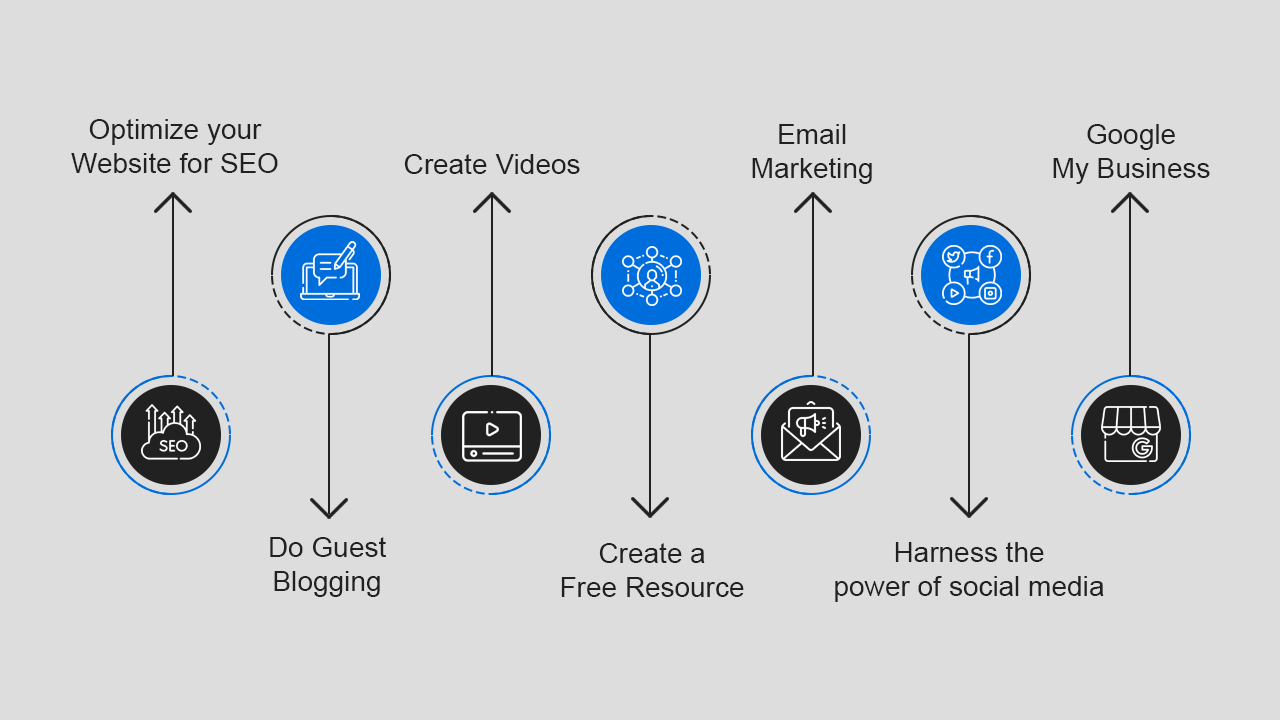
Measuring traffic growth after implementing SEO changes is crucial for understanding the effectiveness of your optimization efforts. This process involves a combination of analytical tools, specific metrics, and webseiten promotion a clear strategy to ensure that the changes made are yielding positive results. Here’s a detailed approach to effectively measure traffic growth post-SEO modifications.
1. Set Clear Objectives and KPIs
Before making any SEO changes, establish clear objectives. What do you hope to achieve? Common goals include increasing organic traffic, improving search rankings, or boosting conversion rates. Based on these objectives, define Key Performance Indicators (KPIs) such as organic sessions, bounce rate, average session duration, and conversion rates. These KPIs will serve as benchmarks for measuring success.
2. Utilize Analytics Tools
Google Analytics is a powerful tool for measuring traffic growth. Ensure that you have it properly set up and linked to your website. Monitor the following metrics:
- Organic Traffic: Look at the number of sessions coming from organic search. This will give you a direct indication of how SEO changes are impacting traffic.
- User Behavior: Analyze metrics like bounce rate and average session duration to understand how users are interacting with your site. A decrease in bounce rate and an increase in session duration may indicate improved content quality or user experience.
- Conversion Rates: Track how many visitors complete desired actions (e.g., filling out a form, making a purchase) to assess the effectiveness of your SEO changes in driving not just traffic, but also engagement and conversions.
3. Monitor Keyword Rankings
Use tools like SEMrush, Ahrefs, or Moz to track the rankings of your targeted keywords. Changes in keyword rankings can provide insight into the effectiveness of your SEO strategy. A rise in rankings often correlates with increased organic traffic, so monitoring these shifts will help you gauge the impact of your changes.
4. Compare Data Over Time
To accurately measure traffic growth, compare data from before and after the SEO changes. Use a consistent timeframe, such as a month or a quarter. This comparison will help you isolate the effects of your SEO efforts from other variables that might influence traffic, such as seasonality or marketing campaigns.
5. Segment Your Traffic
Segmenting your traffic can provide deeper insights into how different user groups are responding to your SEO changes. Analyze traffic sources, geographical locations, and devices used to access your site. This segmentation can reveal which areas of your SEO strategy are performing well and which may need further optimization.
6. Conduct A/B Testing
Implement A/B testing for specific SEO changes, such as different title tags or meta descriptions. By comparing user engagement and traffic metrics between the two versions, you can determine which approach is more effective at attracting and retaining visitors.
7. Review and Adjust
Finally, continuously review the data and be prepared to make adjustments. SEO is not a one-time effort; it requires ongoing analysis and optimization. Regularly revisit your KPIs and objectives to ensure that your strategy remains aligned with your business goals.
In conclusion, measuring traffic growth after SEO changes involves a systematic approach that combines analytics, monitoring, and adjustments. By setting clear objectives, utilizing the right tools, and continuously analyzing data, you can effectively gauge the success of your SEO efforts and enhance your online presence.